Home › Speed Bumps, Curbs, and Asphalt Accessories
Improve traffic control and safety with professional speed bump installation in Tampa, FL. We install asphalt speed humps, curbing, and parking lot accessories for commercial properties, schools, and neighborhoods. Properly placed devices help slow vehicles and protect pedestrians and assets.
Precision Asphalt Tampa provides professional speed bump installation throughout Tampa, FL, Florida and the surrounding area. Our licensed, insured crew delivers safe, clean, on-time work with a free estimate before anything begins. Call (813) 694-5697 or request your free quote.
Practical Speed Bump Installation for Tampa Properties
Speed bump installation is not a one-size-fits-all job, especially in Tampa. At Precision Asphalt Tampa, we start by walking your property and watching how traffic actually moves. Apartment complexes near US-41, HOAs in New Tampa, church lots, medical offices near the hospitals, and older strip centers all have different traffic patterns. We look at where cars are cutting through, where pedestrians cross, and where visibility is limited.
Next, we check grade and drainage. Many Tampa lots are almost flat but have subtle low spots that hold water after a summer storm. Putting a speed bump in the wrong spot can trap water, create standing puddles, and eventually break down the asphalt. We use a level and string line to see how water runs, then adjust the bump location or profile so water can move around it.
Once we know location and layout, we talk about speed control goals. For small condo or townhome communities, the goal is usually 10 to 15 mph, which calls for a slightly taller, shorter bump. For commercial parking lots that still need flowing traffic, like retail centers or schools, we usually recommend wider, more gradual speed humps. We explain the difference in ride quality for cars, delivery trucks, and emergency vehicles so you can balance safety with access.
Before any asphalt work, we mark utilities as needed and confirm there are no shallow irrigation lines or electrical conduits where we will be cutting or drilling. In older Tampa sites that have been repaved several times, we often find thin asphalt over old base. In these cases we may recommend cutting out a small section and rebuilding the base so the bump does not crumble at the edges after a year or two.
If you already have bumps that are too aggressive or in bad locations, we can mill them down, relocate them, or remove and patch them. We also deal with mismatched add-on rubber bumps that have been bolted randomly across the drive. Our goal is a consistent layout and bump profile that is predictable for drivers, easy to plow around if you use sweepers, and strong enough for frequent delivery trucks.
Materials, Design Options, and Local Code Considerations
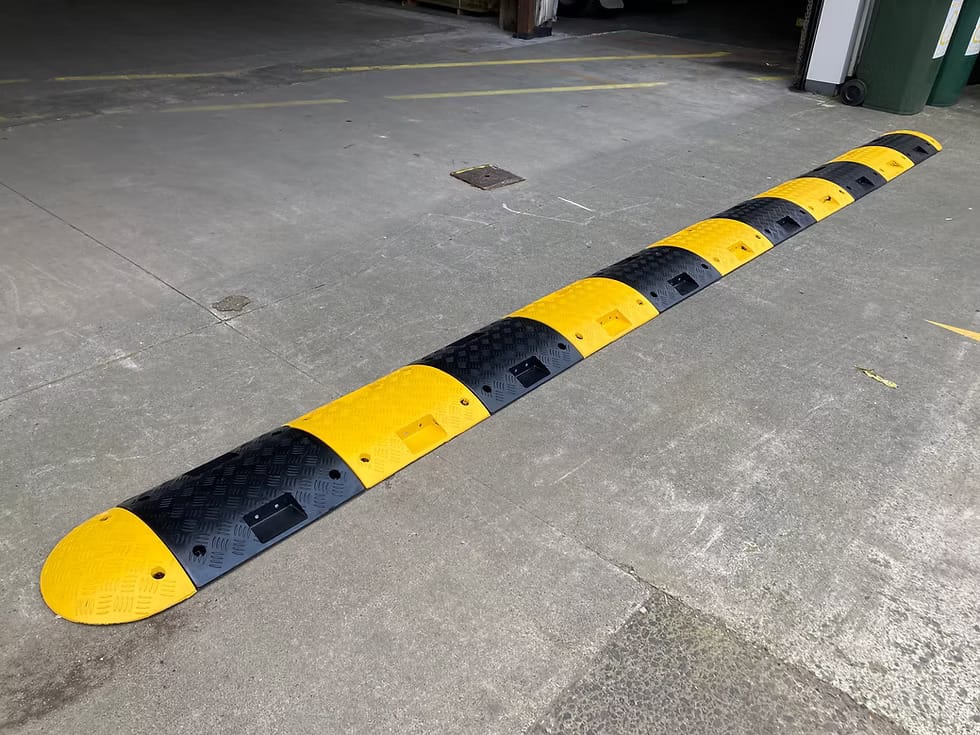
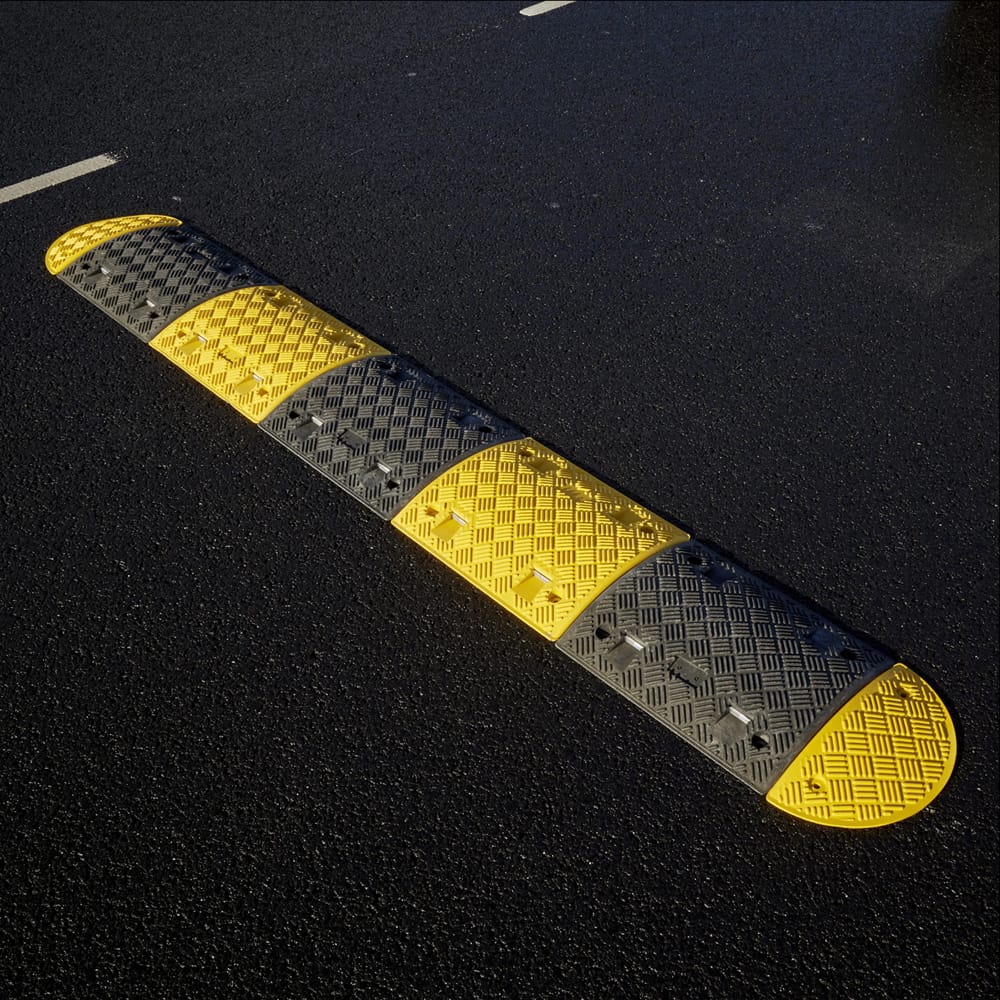
Precision Asphalt Tampa installs both asphalt-formed speed bumps and heavy-duty rubber or composite units. Asphalt bumps are best when you want them to blend into an existing paved drive and last the life of the lot. Rubber and composite units make sense for private drives that might be reconfigured or if you want the option to remove them later.
For asphalt speed bumps, we usually use a hot mix compatible with your existing pavement. On newer commercial lots built in the last 10 to 15 years, we match the mix design, gradation, and color as closely as possible so the new bump does not look like a patch job. On older lots from the 1980s and 1990s, we focus more on structure and compaction because the surrounding pavement may be oxidized and more brittle. In those cases we taper edges carefully and sometimes use a bonding tack coat to help tie new asphalt into old.
Rubber bump systems require proper layout and anchoring. We snap chalk lines and dry-fit the segments before drilling. For Tampa’s sandy subgrade and older lots with thin asphalt, we use through-bolts and high quality anchors instead of light-duty expansion anchors that tend to work loose. We also seal bolt heads where needed so water does not seep into the pavement through the anchor holes.
Stripe and marking options matter as much as the bump itself. We can apply high visibility yellow or white striping across the bump and install MUTCD-compliant warning signs at the proper distance for the posted speed. In shaded areas with tree cover, such as many South Tampa neighborhoods, we usually recommend reflective beads in the paint for better nighttime visibility.
Local rules are another factor. On public streets or fire lanes, the city or county may have standards that control bump height, width, spacing, and signage. Even on private property, we often coordinate with HOA boards and property managers to make sure emergency access is not restricted. We can provide typical profiles and spacing diagrams so you can present them to your board or insurance carrier before work begins.
Curbs, Wheel Stops, and Safety Accessories That Hold Up in Tampa
Curbs and other asphalt accessories are more than cosmetic. At Precision Asphalt Tampa, we install integral asphalt curbs, extruded concrete curbs, and parking wheel stops depending on how the area is used and how often heavy vehicles access it.
For drive lanes and islands that see a lot of truck traffic, such as loading areas behind strip plazas, we usually recommend extruded concrete or pre-cast curbing. These resist impact better than asphalt-only edges. We form and pour curbs with proper expansion joints, then backfill and compact around them so they do not tip or settle. In many Tampa lots we see curbs leaning because the soil behind them was never compacted. We address that by compacting in layers and tying curbs into stable base material.
In residential and office parking rows, we often install wheel stops instead of continuous curbing. We anchor concrete or recycled rubber stops into the pavement with rebar or spike anchors, always checking that we are not drilling into shallow utility lines near buildings. Placement is measured to keep bumpers from hanging over sidewalks or into landscaping while still protecting walls, fences, and light poles.
We also add related safety accessories like bollards, pedestrian crosswalk markings, and ADA-compliant curb transitions. Crosswalks are especially important where parking rows connect to office or retail entrances. We use high contrast striping and, when requested, textured surfaces at crossing points so drivers and walkers both get a clear signal.
In older Tampa motels and small office complexes, we frequently replace crumbled asphalt edges with a combination of new curbing and patched pavement. This helps keep landscaping mulch and soil from washing onto the pavement during heavy rains, which improves traction and reduces the grit that grinds down your asphalt surface.
What Drives Cost and How We Keep Projects Predictable
Several specific factors affect the cost of speed bump installation, curbs, and related accessories on Tampa properties. The first is the number and size of bumps or curbed areas. Taller, shorter speed bumps require more hand work and fine grading, while wider humps and long curbed islands use more material. We break this out on your quote so you can see exactly what you are paying for.
Site condition is the next cost driver. Lots with stable, well-compacted asphalt are straightforward. Older sites with alligator cracking, potholes, or ponding water need some repair before new features can be added. Otherwise, the new bump or curb will crack along with the failing pavement below. At Precision Asphalt Tampa, we point out any base issues we see, provide pricing for repair, and let you decide how far to go. Many owners choose to fix at least a few feet on either side of each bump or curb to avoid early failures.
Access and scheduling also affect price. Busy retail centers on Fowler Avenue or Dale Mabry Highway often need night or early morning work to avoid blocking customers. We plan phases so one entrance is always open and coordinate with you on store hours, delivery times, and trash pickup schedules. Night work usually costs a bit more due to lighting, staffing, and traffic control needs, but it often saves money indirectly by keeping tenants and customers happy.
Materials and finishing features round out the pricing. Asphalt-formed bumps are usually more economical for larger projects, especially when combined with sealcoating or restriping. Rubber systems, pre-cast curbs, and bollards carry higher material costs but can be right for certain locations and uses. Striping, reflectors, and signs are typically a small portion of the overall budget but make a big difference in performance and safety.
We provide written, line-item estimates, not lump-sum guesses. If there are choices that change cost, we explain them clearly, like the difference between two and three speed bumps at an entrance or using concrete instead of asphalt curbing in high impact zones. Our goal is to eliminate surprises so you know exactly what the project will cost before we bring a crew on site.
Common Problems We Solve and What Tampa Owners Should Watch For
Tampa property owners and managers call Precision Asphalt Tampa with many of the same problems. A frequent complaint is drivers cutting through residential streets or community entrances too fast. We review entry layouts, gate locations, mailbox clusters, and pedestrian paths, then propose specific bump spacing to slow cars before the problem areas without forcing constant hard braking.
Another recurring issue is damaged or poorly placed speed bumps. We often see bumps that were built too tall or with very sharp edges. These create scraping complaints, especially from delivery vans, low cars, and service vehicles. We can reshape these bumps with milling equipment, re-taper the edges, or replace them with properly designed humps. The goal is to slow vehicles without creating a maintenance headache or liability risk.
We also deal with curbs and wheel stops that have become trip hazards. Over time, tree roots, poor drainage, and vehicle impact can lift curbs or shift wheel stops. We remove broken units, grind down protruding asphalt where needed, and reinstall replacements with alignment that matches parking stripes and sidewalks. This is particularly important in senior communities and medical offices where foot traffic is more vulnerable to trips and falls.
Drainage conflicts are another big concern in the Tampa area. A poorly placed speed bump can push stormwater toward building entrances or ADA ramps. Before we install, we watch how water stains, algae lines, and existing cracks indicate flow patterns after rain. Where necessary, we cut small channels or shape the bump profile to maintain drainage paths. On some projects, we recommend adding a small catch basin or regrading a low area before installing any new features.
If you are considering speed bump installation or curb work, walk your lot during or right after a heavy rain once, and again during peak traffic. Note where cars speed, where people cross, and where water sits. Bring those observations to us. The more you share about how your property is used during the day and after dark, the better we can design a layout and choose materials that solve your specific problems instead of just adding more asphalt to the lot.