Home › Road, Street, and Municipal Paving
Keep traffic moving smoothly with professional road paving in Tampa, FL. We construct and resurface streets, subdivision roads, and municipal routes to meet strict specifications. Our crews handle grading, asphalt placement, and compaction for durable, consistent driving surfaces.
Precision Asphalt Tampa provides professional road paving throughout Tampa, FL, Florida and the surrounding area. Our licensed, insured crew delivers safe, clean, on-time work with a free estimate before anything begins. Call (813) 694-5697 or request your free quote.
Road Paving in Tampa That Holds Up to Heat, Rain, and Heavy Traffic
Road, street, and municipal paving in Tampa is not one-size-fits-all. At Precision Asphalt Tampa, we design every project around local conditions: intense sun, daily traffic peaks, and heavy summer rain. Whether you manage a subdivision, an industrial park, or a public roadway, our goal is simple: build pavement that stays smooth and safe for years, not just the first season.
When you call us about road paving, we start with a site visit, not a generic quote. We walk the alignment, look at drainage paths, check existing base conditions, and note traffic patterns like school rush times or truck routes. This helps us decide the right pavement structure, from the thickness of the base rock to the type of asphalt mix that will resist rutting in Florida heat.
Because we work all over Hillsborough County and surrounding areas, we are familiar with city, county, and FDOT standards that affect your project. That includes minimum asphalt thickness for public roads, compaction requirements, and striping layouts. We coordinate with your engineer, HOA board, or municipal staff so your road project meets both technical specifications and everyday usability for the people who drive it.
How Road, Street, and Municipal Paving Actually Gets Done
Road paving is a sequence of specific steps. Cutting corners at any one of them is usually why roads fail early. Precision Asphalt Tampa walks you through each phase so you know exactly what to expect.
1. Evaluation and layout: We confirm road width, radii at intersections, locations for crosswalks, stop bars, and signage. For neighborhood streets, we often recommend slightly wider radii at tight corners so delivery and emergency vehicles can turn without chewing up edges.
2. Grading and drainage: We shape the subgrade so water flows off the road into swales or storm drains instead of ponding in travel lanes. In Tampa, a small slope error can leave standing water after a summer storm, which leads to potholes and stripping. We check grades with laser equipment and make adjustments before any rock or asphalt is placed.
3. Base installation: Typically we use limerock or crushed concrete base, installed in lifts and compacted with vibratory rollers. For municipal or bus routes, we often recommend a thicker base or stabilized subgrade. We test compaction as we go so the base does not settle later and crack the surface.
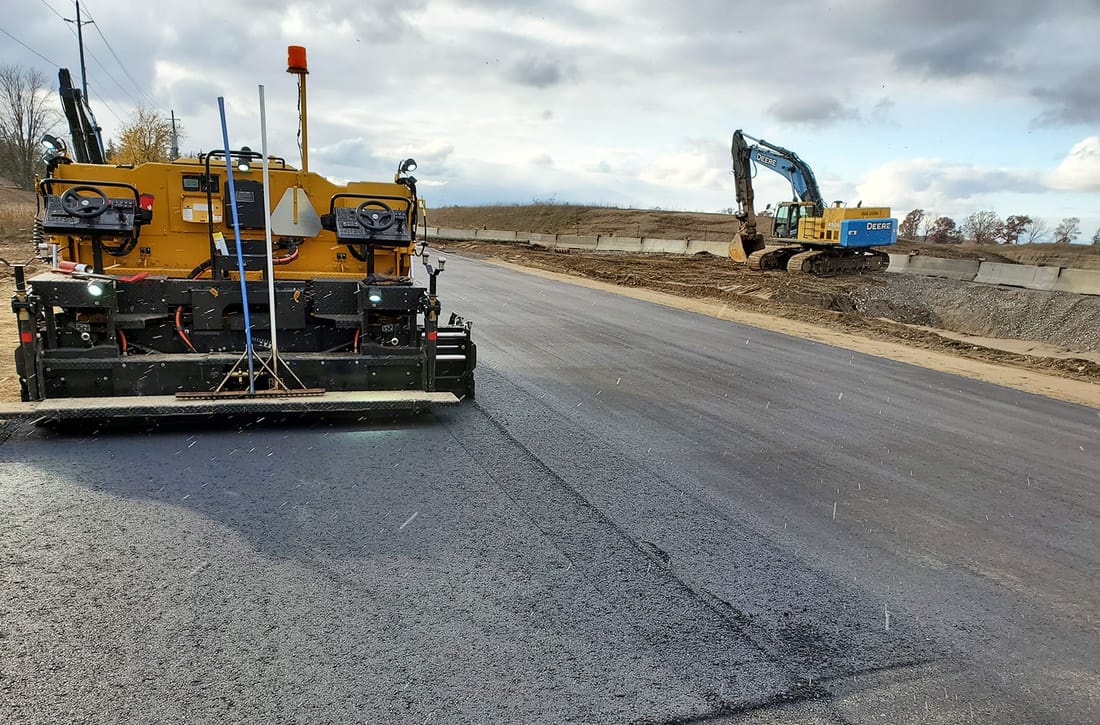
4. Asphalt placement: Once the base passes inspection, we apply tack coat for bonding and place asphalt using a self-propelled paver. For local streets we may use a 1.5 to 2 inch surface course on top of a structural layer. For heavier traffic, we adjust the design to handle repeated loading from trucks and buses.
5. Compaction and finish: While asphalt is still hot, steel and pneumatic rollers compact it to the required density and smoothness. We watch joints, edges, and transitions to existing pavement so drivers do not feel a bump where new meets old.
6. Striping and signage: After cooling and curing, we install thermoplastic or paint striping, arrows, symbols, and raised markers as needed. For municipal roads this often follows MUTCD standards. For private communities we can match existing styles and colors.
Design Choices That Affect Cost, Durability, and Maintenance
No two roads in Tampa should be built exactly the same. Precision Asphalt Tampa helps you make design choices that balance construction cost with long-term maintenance so you do not overspend up front or underbuild and pay more later.
Pavement thickness and structure: The more traffic and weight, the thicker the base and asphalt need to be. A light residential street can often perform well with a thinner section, while a main collector road, a bus route, or an access road to an industrial area needs extra thickness and sometimes a stronger base material. We can model different sections so you see how an extra half inch of asphalt now might save resurfacing years later.
Asphalt mix type: In Florida heat, some mixes perform better than others. For slower residential streets, an FC-5 or similar surface can provide good friction and noise control. For intersections and truck routes, we may specify a coarser mix that resists shoving and rutting when vehicles brake or turn sharply. We also look at the existing surrounding pavement so transitions age more consistently.
Drainage extras: On low-lying Tampa streets or areas with known flooding, we may recommend underdrains, extra inlets, or subtle regrading of swales and driveways. These details add a modest cost but can prevent base saturation and premature cracking.
Phasing and traffic control: Keeping access open changes how we stage the work. Night work, weekend work, or extra flaggers and signage can add to cost, but they might be necessary around schools, businesses, or busy intersections. We can present options so you understand the tradeoffs between cost and disruption.
Maintenance planning: Before we finish, we discuss a realistic maintenance schedule: crack sealing, sealcoating for private roads if appropriate, and expected resurfacing timelines. Building this into your HOA budget or municipal plan helps avoid emergency repairs later.
Permits, Inspections, and Local Requirements in Tampa
Road paving in Tampa usually involves more than just hiring a contractor and getting asphalt on the ground. Precision Asphalt Tampa helps guide you through the local requirements so the project moves smoothly from idea to finished pavement.
Permitting: For public roads or work that ties into city or county right of way, a permit is often required through the City of Tampa or Hillsborough County. This can include MOT (maintenance of traffic) plans, utility coordination, and approved construction drawings. On private roads within communities, your HOA or property management company may require project review and written approval before any work starts.
Inspections: Many municipal or county projects include inspections of subgrade, base, and asphalt placement. We schedule these with the inspector, provide compaction data, and adjust work if anything needs to be corrected before moving to the next phase. For private developments, your engineer of record might handle similar checks and acceptance.
Utility coordination: Tampa streets often have buried utilities like water, sewer, reclaimed, gas, and fiber lines. Before milling or new construction, we call in utility locates and verify cover depths where needed. This reduces the chance of hitting a line and also helps plan around manholes and valve boxes.
ADA and access requirements: For streets that include sidewalks, ramps, or crosswalks, we coordinate pavement work with ADA compliant curb ramps and transitions. Even on private properties, insurers and lenders increasingly look for compliant access routes, so it is smart to address this when paving nearby streets or entrances.
Neighborhood communication: When we pave inside communities or on busy streets, we can provide door hangers or notices that explain closure times, parking restrictions, and alternate routes. This helps residents know where to park and how to get in and out without conflict on paving day.
What to Expect When You Hire Precision Asphalt Tampa
Before you sign anything, we meet on site to discuss your goals, timing, and budget. For HOAs, we are used to presenting options in a way that board members and residents can understand, including visuals and phasing plans. For municipal or engineering clients, we review drawings, specifications, and testing requirements so our proposal aligns with your documents.
Schedule and phasing: We build a schedule around trash pickup days, school schedules, and business hours where possible. For example, in a gated community, we may pave one side of the main road at a time so residents always have a lane to use. On through streets, we coordinate detours and signage to keep traffic moving and emergency routes open.
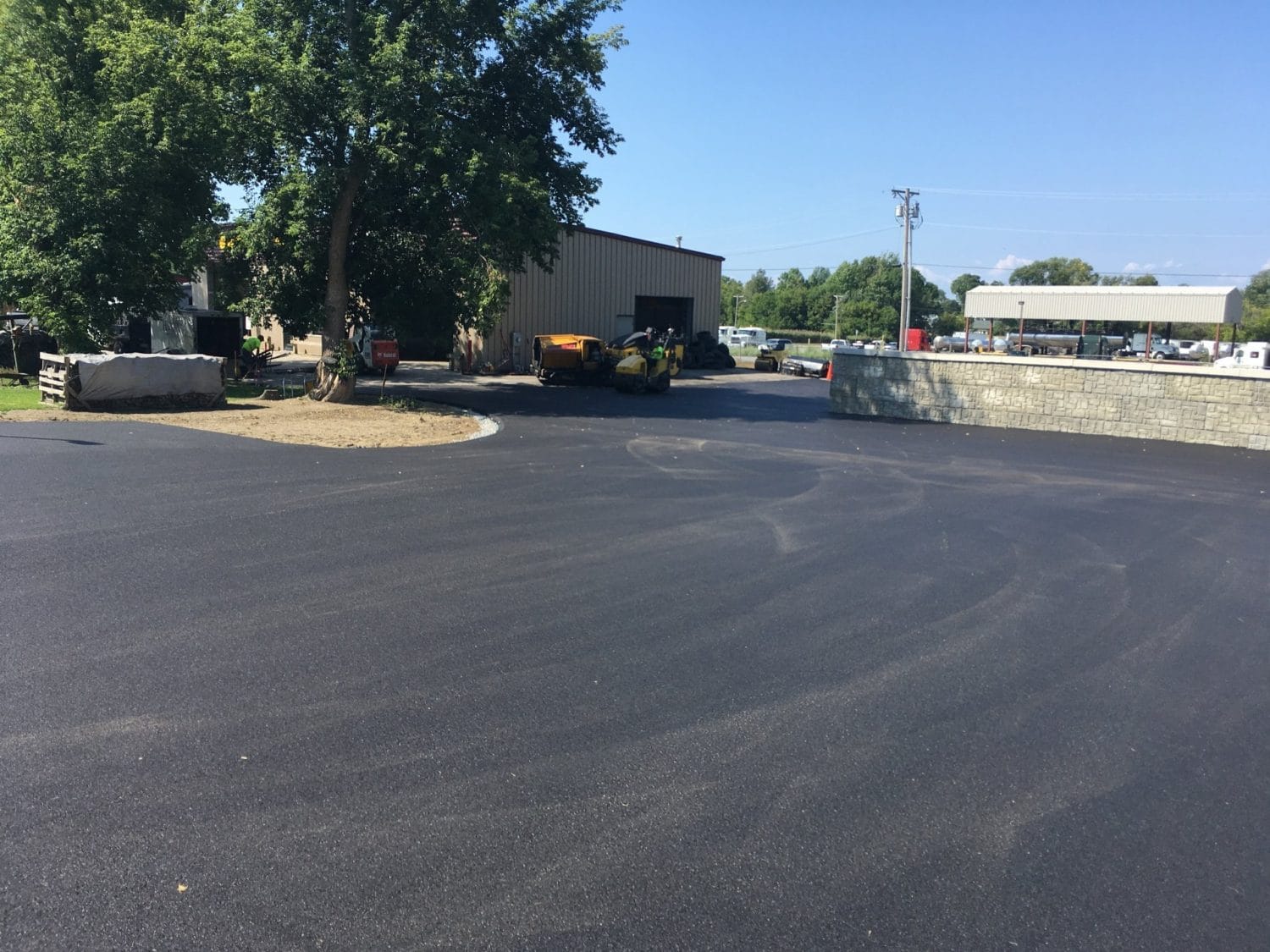
Day-of operations: On paving day, you will see crews handling milling or grading, trucks delivering asphalt, a paver laying the mat, and rollers following behind. A supervisor remains on site to answer questions and coordinate access for residents, deliveries, and emergency vehicles. We keep equipment staged so it is out of driveways and business entrances as much as possible.
Cleanup and punch list: After paving and striping, we clean up debris, adjust manhole and valve heights if needed, and walk the project with you or your representative. Any punch list items, like minor low spots or touch up striping, are scheduled and completed as quickly as possible.
Post-project support: We stay available for questions long after the last roller leaves. If you notice anything unusual, such as standing water or early raveling at a joint, we will come out, evaluate it, and recommend the best solution. Our focus is long-term relationships, so we want your road, street, or municipal paving project in Tampa to be something you can point to as money well spent.