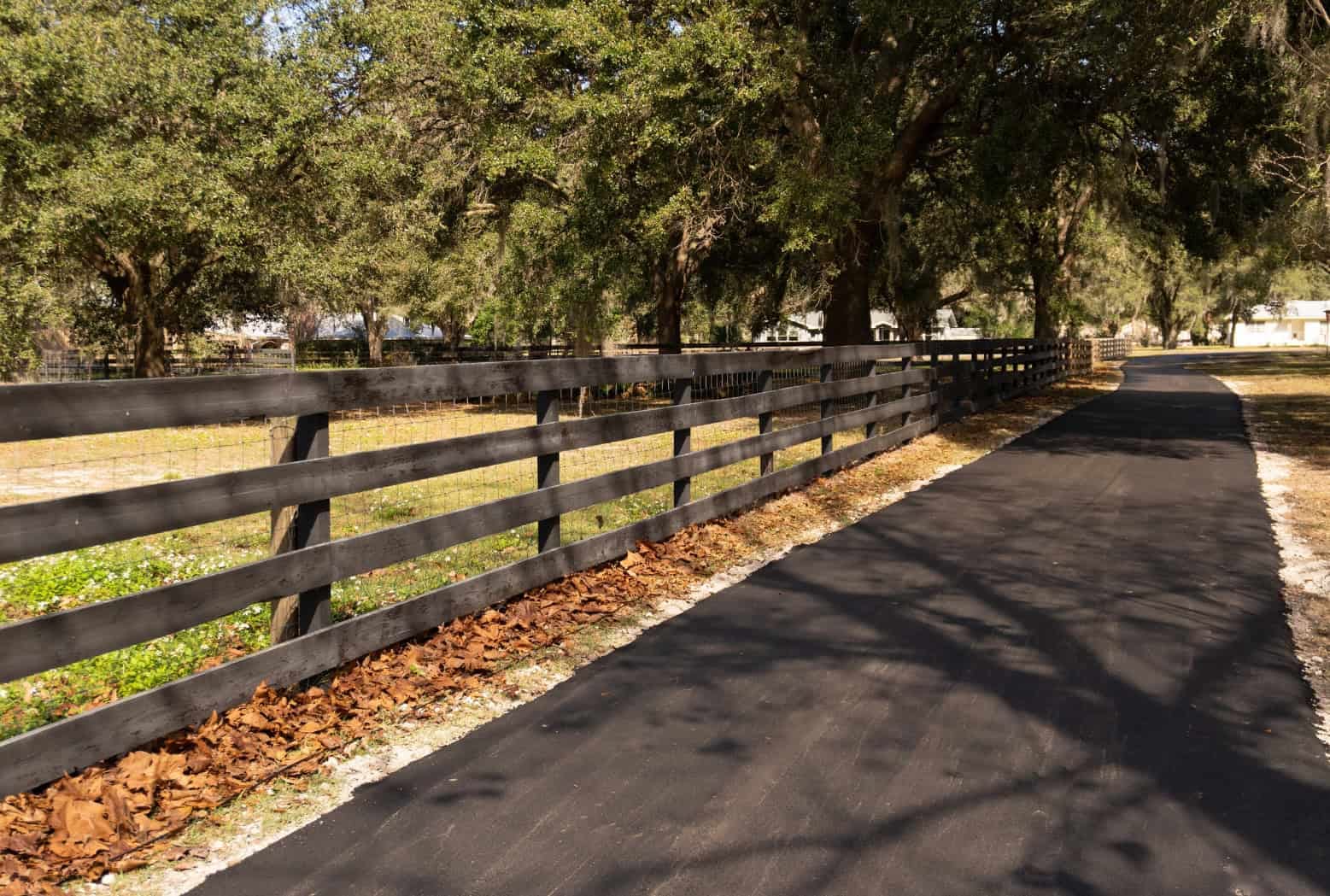
Home › Private Road and Lane Paving
Upgrade rough access roads with professional private road paving in Tampa, FL. We build and resurface shared driveways, lanes, and rural-style roads to handle daily traffic and heavy vehicles. Our crew focuses on drainage, base strength, and long-term durability so your roadway stays smooth longer.
Precision Asphalt Tampa provides professional private road paving throughout Tampa, FL, Florida and the surrounding area. Our licensed, insured crew delivers safe, clean, on-time work with a free estimate before anything begins. Call (813) 694-5697 or request your free quote.
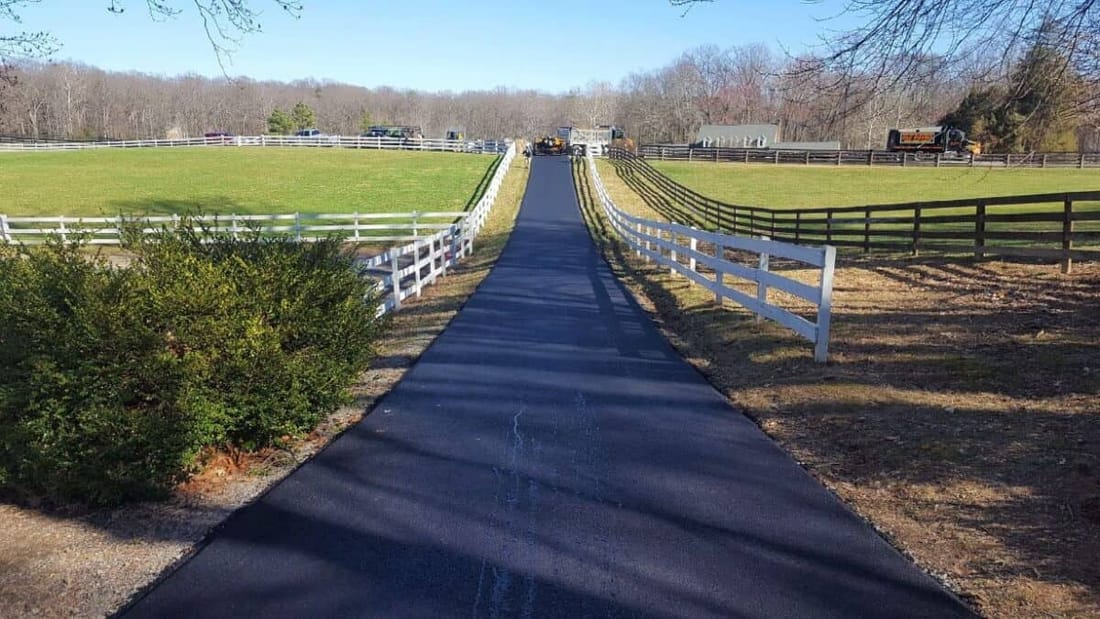
Private Road Paving in Tampa That Holds Up to Real Traffic
If you own land in the Tampa area, you already know that a rough, washed out road can turn a simple visit into a headache. At Precision Asphalt Tampa, we focus on private road and lane paving that actually works for how you use your property, whether that is a shared driveway in a subdivision, a long lane back to a home or barn, or an access road around a commercial site.
Tampa’s climate is tough on roads. We see intense summer heat, heavy afternoon storms, and occasional tropical systems that can dump inches of rain quickly. That mix of heat and water is what breaks down a lot of private roads, especially those built with thin asphalt or just a layer of rock over sand. Our approach starts with the assumption that the base and drainage matter more than the blacktop you see on top.
On your first call, we will ask how the road is used: number of homes, whether delivery trucks and garbage trucks use it, if there are boat trailers, RVs, or farm equipment, and whether you ever see standing water. That information tells us what pavement thickness, base material, and slope we should recommend. From there, we schedule a site visit, walk the entire alignment, probe the soil in soft spots, and mark any drainage issues before we talk about materials or pricing.
How We Build a Private Road or Lane That Lasts
Private road paving is not just “laying asphalt.” It is a sequence of steps, each one important if you want the surface to last more than a few seasons.
1. Layout, grading, and drainage planning. We start by confirming the road’s width and alignment on the ground. For most Tampa private roads that serve multiple homes, we recommend a finished width of 16 to 18 feet so two vehicles can comfortably pass. Next we plan how water will leave the road. In most cases we grade for a slight crown in the center so water sheds to both sides, or a single cross slope if one side already has a ditch or swale.
2. Subgrade shaping and compaction. Tampa soils can change quickly from packed shell to soft sugar sand. We cut and shape the subgrade, remove organic material, and moisture condition any dry, fluffy sand so it will compact properly. Then we compact with a vibratory roller and make proof passes to locate any pumping or soft spots that need extra attention.
3. Base installation. For private roads we typically install 4 to 8 inches of graded aggregate base over the subgrade, depending on traffic and soil. In many Tampa locations we use a limerock or crushed concrete base because it locks together well and handles heavy vehicle loads. The base is spread in layers, compacted, then checked with a straightedge so we know the asphalt will have a smooth, even foundation.
4. Asphalt paving. For most private roads we install a 1.5 to 2 inch asphalt surface course, sometimes over a 1.5 inch base course if traffic will be heavier. We use hot mix asphalt produced at nearby plants so it has the right gradation and asphalt binder for our climate. The mix is delivered in trucks, placed with a paver for uniform thickness, then compacted with steel and pneumatic rollers before it cools.
5. Tie ins, shoulders, and cleanup. We transition neatly into existing driveways or public streets, build compacted shoulders along the edges so the pavement is supported, and address any low spots in ditches. Before we leave, we walk the road with you so any questions get answered while you can still see what was done.
Material Options and Design Choices for Your Private Road
Every private road is a little different, and Precision Asphalt Tampa will walk you through practical choices instead of a one size fits all package.
Asphalt thickness. For a short lane to a single home that only sees passenger cars, a single 2 inch asphalt surface over a solid base is usually enough. If multiple homes share the road and there is weekly garbage truck traffic, we are more likely to recommend 3 to 4 inches of total asphalt in two lifts. Where construction deliveries or heavy equipment are common, we may increase both base and asphalt thickness to handle the extra load.
Base options. Many Tampa properties have existing shell or millings roads that have been built up over time. In some cases we can reuse that as part of the base, mix and regrade it, then add new aggregate over top. In other cases that material is loose and waterlogged and needs to be removed or stabilized. We explain where reuse makes sense and where it would just shorten the life of the new pavement.
Access and layout details. If your road includes curves, steep drive pads, or shared parking pull offs, we adjust the design so water does not pool in low spots and drivers have adequate visibility. We can also flare the entrance at the public road so turning is easier for trailers and emergency vehicles, and add compacted rock or asphalt aprons at mail kiosks or dumpster pads where vehicles repeatedly turn and stop.
Surface choices. For most private roads, a standard dense graded asphalt mix is best. If you expect frequent slow turning movement, such as at a cul de sac or small courtyard, we may choose a slightly coarser surface for additional grip. In shaded, low lying areas that stay damp, we might recommend a slightly higher slope or additional cross drains instead of a different asphalt, since keeping water off the pavement is the main goal in our climate.
What Drives the Cost of Private Road Paving in Tampa
A lot of owners want to know why one private road paving quote is lower or higher than another. The main drivers of cost are length and width, base work, access, and drainage fixes.
Length and width are straightforward. A 300 foot, 12 foot wide lane costs much less than a 1,000 foot, 18 foot shared road, simply because of material and labor. Where we can often help is fine tuning the width. There is no reason to overbuild a narrow farm lane like a commercial street, but there is also no savings in going so narrow that vehicles constantly drop off the edge and break the pavement.
Base and subgrade repairs are usually the biggest difference between quotes. If someone offers to overlay a thin layer of asphalt over a rutted lime rock track without compacting and rebuilding, it will look good for a short time and then crack along the old ruts and soft spots. Our proposals spell out how many inches of base we plan, what type of rock, and how much grading is included so you can compare apples to apples.
Access, mobilization, and neighborhood factors also matter. A straight lane with room for trucks to turn around costs less per foot to pave than a tight, winding road through trees where we need smaller equipment or extra labor to move material. For shared private roads serving several homes, we help owners’ associations or groups of neighbors break out the cost by frontage or usage so everyone understands their share.
Finally, drainage improvements can be a smart place to spend money. Adding a shallow swale, cleaning out an existing ditch, or installing a small cross pipe at a low spot can greatly extend the life of the new pavement. We always identify these options during our site visit and label them clearly on your estimate so you can see what is optional and what is critical.
Maintenance, Repairs, and How to Get Started
Once your private road or lane is paved, a little maintenance goes a long way in Tampa’s weather. We generally recommend that new asphalt be allowed to cure for several months before any sealcoating is considered, and even then, sealcoat is a protective option, not a fix for structural issues. For shared roads, we suggest a basic inspection every year to look for early cracking at the edges, drainage problems, or small potholes that can be patched before they grow.
Common repair needs on older Tampa private roads include edge cracking from vehicles dropping wheels off narrow pavements, alligator cracking in areas where water seeps up from below, and rutting in places where trucks repeatedly stop and start. Precision Asphalt Tampa can mill and patch localized failures, add additional base in soft areas, and widen narrow sections so the repaired pavement does not immediately break again.
If you already have a shell, gravel, or millings road and are wondering whether it is worth paving, we can evaluate it and lay out a phased approach. Sometimes the best path is to regrade and compact the existing material this season, address the worst drainage issues, then schedule paving for the following year once the road has had some time under traffic. This spreads cost and lowers the risk of surprises.
Getting started is simple. Call or message Precision Asphalt Tampa and tell us where the property is, how long the private road or lane is roughly, and how it is being used today. We will schedule a visit, walk the road with you, talk through design and budget options, and provide a written proposal that explains the work in plain language so you can make a confident decision.