Home › Commercial Gravel-to-Asphalt Conversions
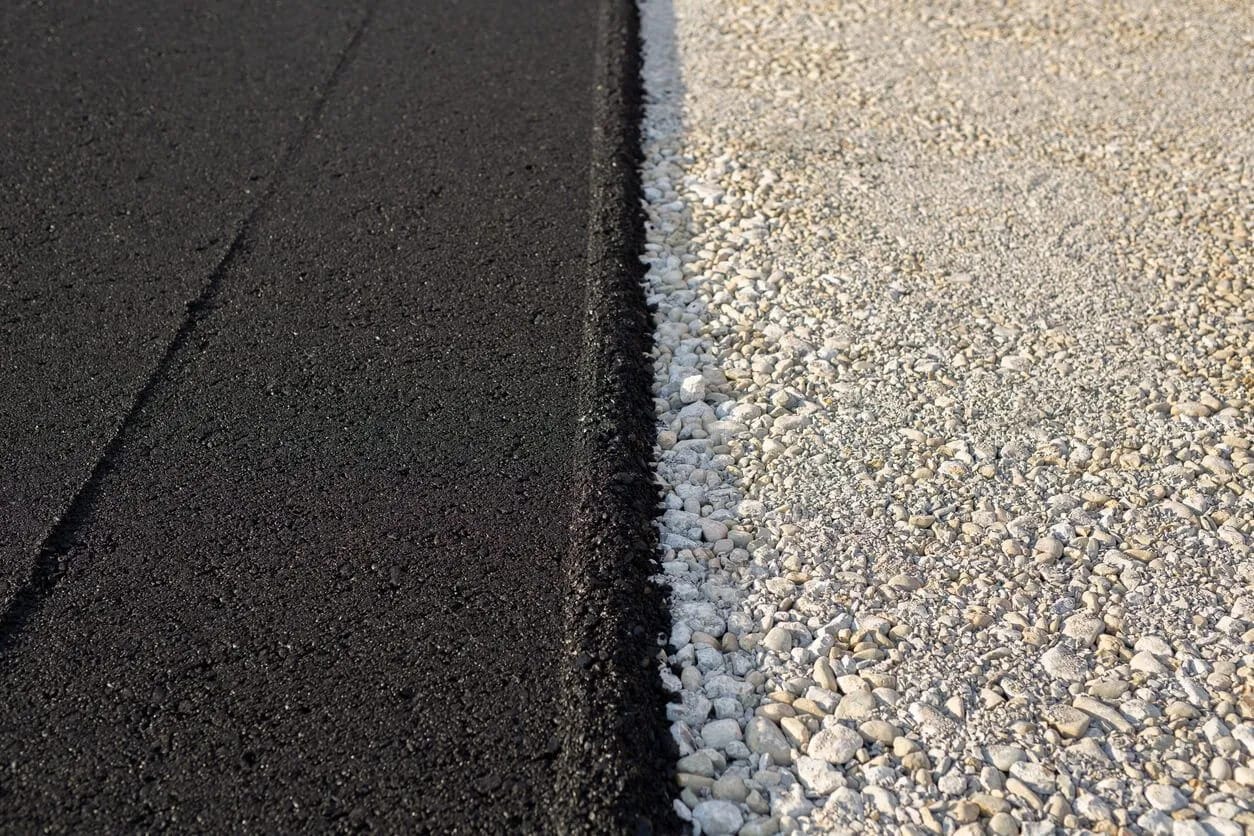
Improve appearance and usability by converting gravel areas with commercial gravel-to-asphalt solutions in Tampa, FL. We upgrade gravel parking lots, access roads, and storage yards to durable asphalt. Our process includes grading, compaction, and paving to create clean, professional surfaces for your business.
Precision Asphalt Tampa provides professional commercial gravel to asphalt throughout Tampa, FL, Florida and the surrounding area. Our licensed, insured crew delivers safe, clean, on-time work with a free estimate before anything begins. Call (813) 694-5697 or request your free quote.
Convert Problem Gravel Lots Into Durable Asphalt Surfaces
If your commercial property in Tampa still relies on gravel parking or drive lanes, you are paying for it in constant dust, rutting, and maintenance. Precision Asphalt Tampa specializes in commercial gravel to asphalt conversions that turn unstable rock into a clean, clearly marked, and easy to maintain paved surface that stands up to Florida traffic and weather.
Our focus is not just laying asphalt over whatever is there. We evaluate your existing gravel base, drainage patterns, and traffic loads so the new pavement supports delivery trucks, forklifts, and daily customer traffic without premature cracking. Whether you manage a warehouse in East Tampa, a church in Brandon, or a retail strip along Dale Mabry, we design the conversion so your lot actually functions better, not just looks better.
Because we work only in the Tampa Bay region, our team understands the local soil conditions, the impact of heavy summer rains, and how heat affects asphalt performance. That local experience is built into every commercial gravel to asphalt project we take on.
Step 1: Site Evaluation, Drainage Review, and Planning
A successful gravel to asphalt conversion starts with a detailed site visit. Precision Asphalt Tampa measures slopes, checks how your lot currently drains during storms, and probes the gravel depth and underlying soil. Many older gravel lots in Tampa were never graded properly, so water ponds in the wheel paths. If you simply pave over those low spots, the asphalt will fail quickly.
We look at how your traffic actually moves. For example, a distribution yard near the Port of Tampa may have repetitive semi truck turning paths that require thicker asphalt and stronger base layers than a medical office lot in Carrollwood. We confirm clearance to existing structures, access to storm inlets, and setbacks from sidewalks and rights of way.
From there we create a plan that specifies any undercutting, base repair, or regrading, target slopes toward drains, and recommended asphalt thickness by area. This planning phase is where we prevent most of the issues that cause early rutting and alligator cracking.
Step 2: Regrading and Base Preparation on Existing Gravel
The biggest advantage of a commercial gravel to asphalt conversion is that you often already have a substantial base material on site. Precision Asphalt Tampa does not waste that value. We use motor graders, skid steers, and compactors to reshape the existing gravel, add additional aggregate where needed, and compact it to a uniform, dense base.
In Tampa, many gravel lots sit on sandy subgrade that can pump and shift under heavy trucks. Where we see soft spots or organic material, we undercut those areas, remove the weak soils, and replace them with a well graded crushed rock that is mechanically compacted in layers. In some high load applications, such as dumpster pads or fuel delivery lanes, we may recommend a stabilized base, for example adding cement or lime to lock the subgrade together.
Proper compaction is verified using proof rolling, where we run heavy equipment across the base to identify deflection or movement. Any area that flexes gets corrected before asphalt is ever placed. This careful base preparation is what allows your new pavement to perform far better than the original gravel surface.
Step 3: Asphalt Mix Design, Thickness, and Installation
Once the base is shaped and compacted, Precision Asphalt Tampa installs the asphalt pavement. For commercial gravel to asphalt conversions, we specify different mix types depending on your use. A small office parking lot might use a standard FDOT approved surface mix, while a busy automotive repair shop with frequent turning movements may benefit from a slightly stiffer mix that resists shoving.
Typical commercial lots in Tampa use 1.5 to 2 inches of surface asphalt over 1.5 to 3 inches of structural asphalt, but we adjust that based on expected loads and the quality of your existing gravel base. Truck routes, fire lanes, and loading docks often receive additional thickness to prevent rutting.
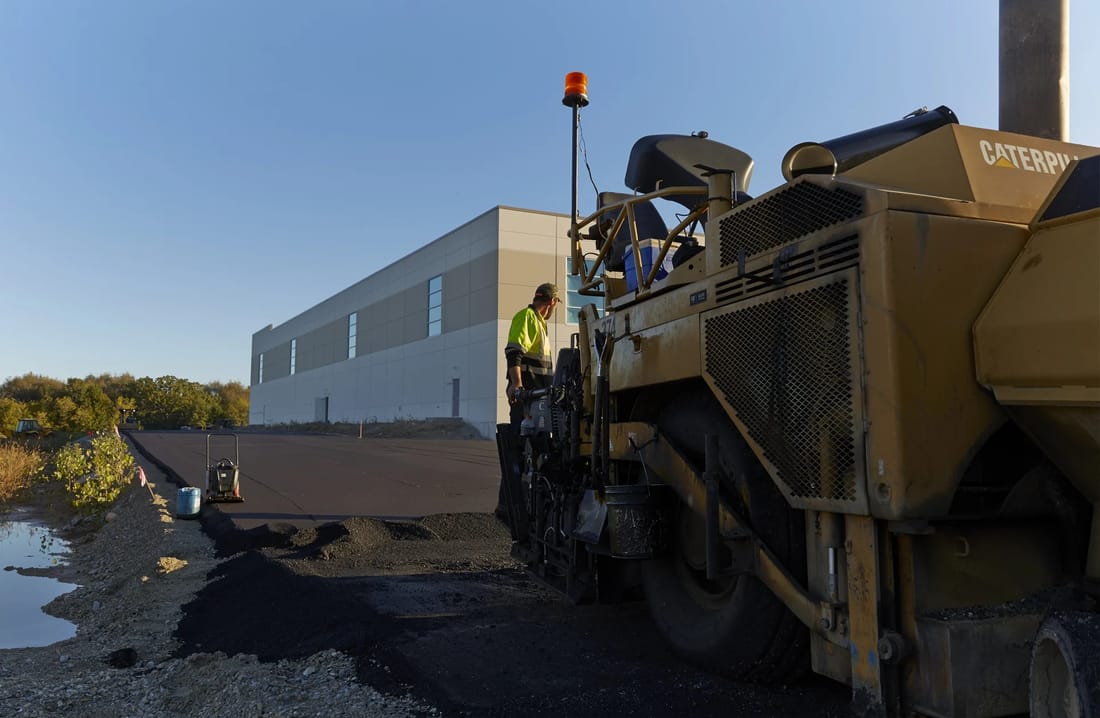
We install asphalt with a calibrated paver for consistent depth, then perform multi pass rolling to achieve target density. Joints between passes are carefully overlapped and compacted so you do not get weak seams that unravel under traffic. Edges are compacted tight, and where asphalt meets existing concrete, such as sidewalks or approaches, we create smooth transitions that comply with ADA considerations.
Drainage, Striping, and Operational Upgrades
A paved lot is an opportunity to solve long standing functional issues that gravel could not. As part of a commercial gravel to asphalt conversion, Precision Asphalt Tampa confirms that water has a defined path off the pavement. If your site has no storm inlets, we may create new drainage swales or tie into existing structures if available and permitted.
After paving, we add wheel stops, speed humps, and traffic flow markings as requested. A former unmarked gravel field can be transformed into organized parking with defined entrances and exits, truck staging areas, ADA compliant spaces, and pedestrian walk routes. For retail centers and offices in Tampa, this often increases usable parking count because striping allows more efficient layout than informal gravel parking.
We also coordinate with lighting contractors or your existing maintenance team so poles, bollards, and landscape islands align with the new traffic pattern. The goal is a finished lot that is not just smoother than gravel, but safer and more intuitive for customers and drivers.
Costs, Scheduling, and Best Season for Tampa Projects
The cost of converting a commercial gravel lot to asphalt in Tampa depends primarily on base condition, drainage corrections, asphalt thickness, and site access. Lots with good, deep existing gravel and decent drainage are the most economical. Properties that need underdrains, undercutting of saturated soils, or additional aggregate will cost more, but those upgrades prevent far greater repair expenses later.
We provide itemized proposals so you see the difference between base repair, asphalt placement, striping, and any optional add ons like concrete curbing. Because commercial operations cannot always shut down, Precision Asphalt Tampa often phases work by section, schedules work after hours or on weekends, and sets up temporary access routes so customers and deliveries can still reach your building.
In the Tampa area, the most reliable paving windows are typically from late fall through early spring, when afternoon storms are less frequent. However, we successfully pave year round by watching radar, staging crews efficiently, and avoiding placement during heavy downpours. We coordinate schedules around your busy seasons, for example minimizing disruption during holiday retail rushes or peak tourist periods.
What Tampa Property Managers Should Ask Before Hiring
Before you hire any contractor for a commercial gravel to asphalt conversion, a few targeted questions will tell you a lot about their approach. Ask how they will evaluate and improve drainage, what asphalt thickness they recommend for your heaviest vehicles, and how they will handle soft spots in your existing gravel base. A vague answer typically means a thin overlay that might look good at first then fail within a couple of summers.
Precision Asphalt Tampa encourages you to request references from other local property managers, such as logistics yards, churches, or multi tenant offices whose lots started as gravel. We can show you projects that have already been through several Tampa rainy seasons, so you can see how proper base work and mix selection pays off.
Also confirm how your operations will be maintained during construction. We provide a clear phasing plan, access map, and communication timeline so tenants, employees, and customers know where to park and how to enter during each stage. With the right planning, you gain the long term savings and professional appearance of asphalt without unexpected shutdowns or confusion for the people who use your property every day.