Home › Commercial Asphalt Resurfacing & Overlays
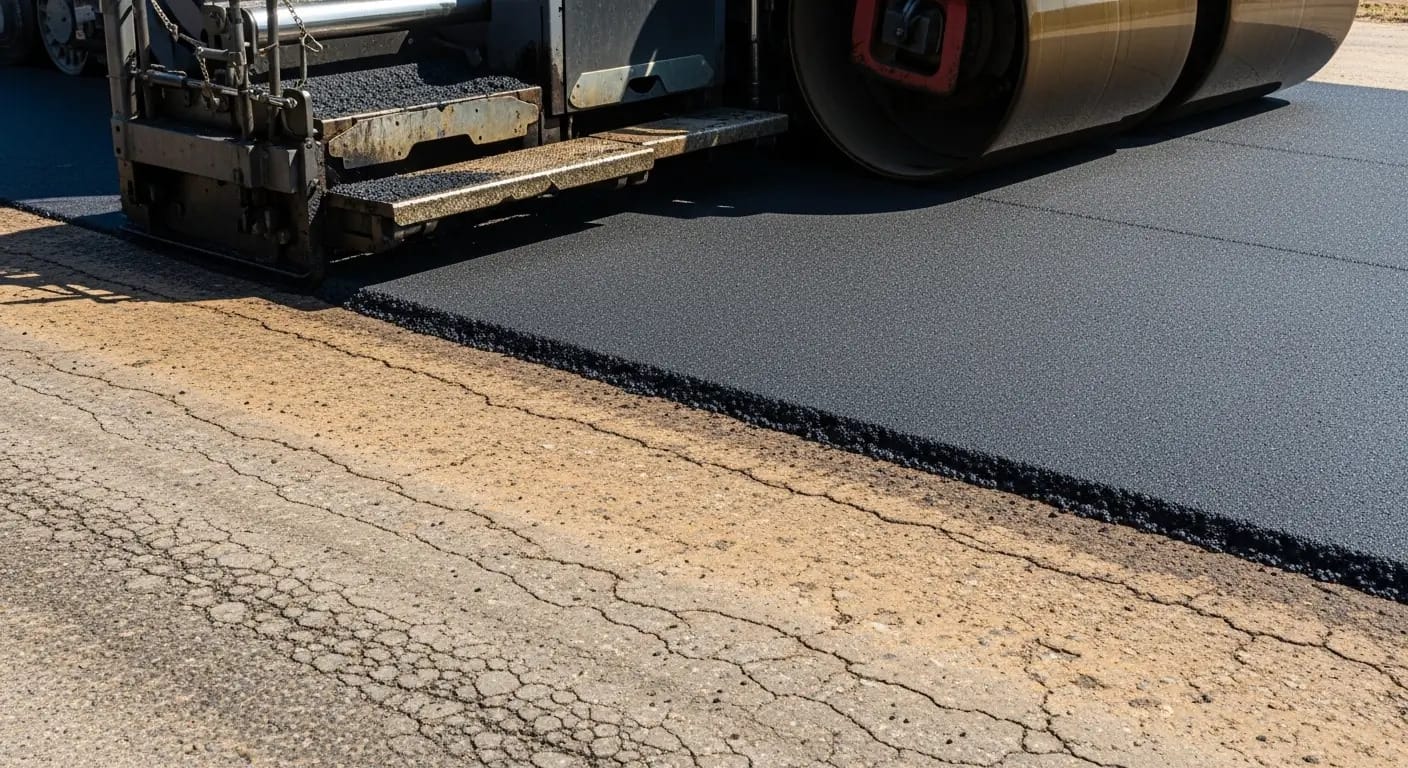
Extend the life of your pavement with commercial asphalt resurfacing in Tampa, FL. We mill, repair, and overlay existing lots and drives that still have a sound base. Our resurfacing services improve appearance, smoothness, and safety while keeping your project cost-effective.
Precision Asphalt Tampa provides professional commercial asphalt resurfacing throughout Tampa, FL, Florida and the surrounding area. Our licensed, insured crew delivers safe, clean, on-time work with a free estimate before anything begins. Call (813) 694-5697 or request your free quote.
Commercial Asphalt Resurfacing Experts in Tampa
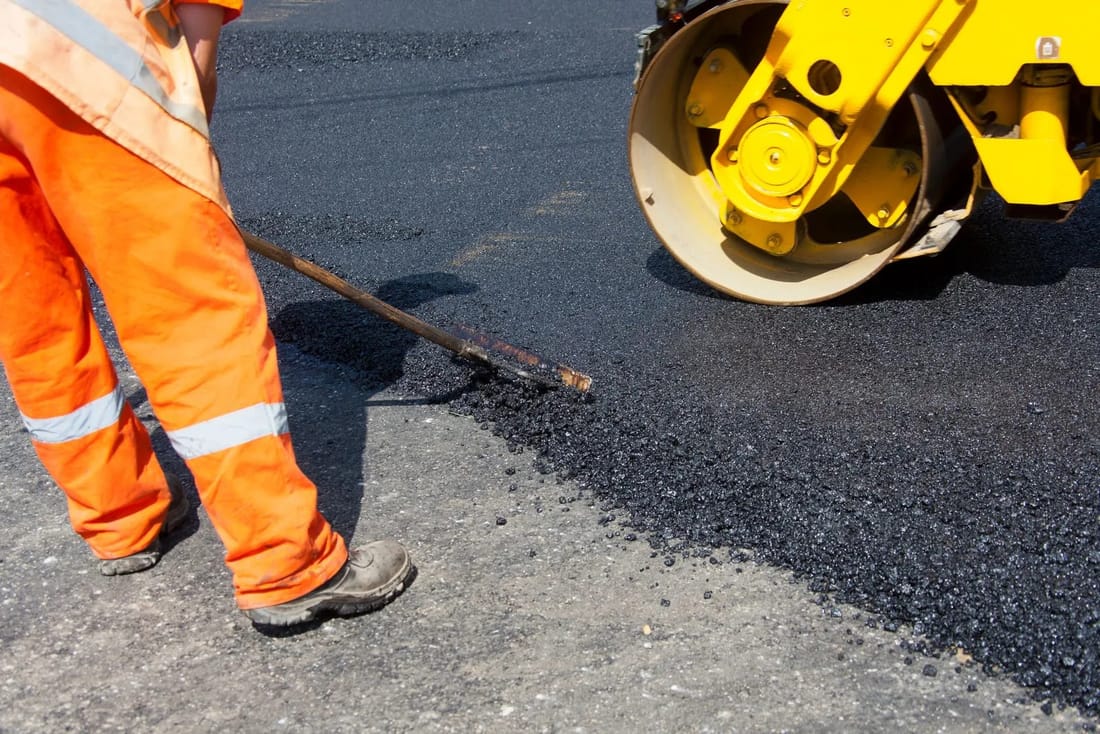
Commercial asphalt resurfacing is not just a cosmetic fix. It is a structural upgrade that can add 8 to 15 years of life to your parking lot or private road when done correctly. At Precision Asphalt Tampa, we focus specifically on the conditions that Tampa commercial properties face: intense UV exposure, heavy summer rains, and high traffic from cars, delivery trucks, and service vehicles.
If your lot has widespread cracking, raveling (loose gravel on the surface), standing water, or fading that makes striping hard to see, resurfacing or an asphalt overlay is often more cost effective than a full rip out and replacement. We evaluate how much of the damage is at the surface versus in the base. When the base is stable and thickness is adequate, an overlay can be a very smart use of your capital budget.
Every recommendation from Precision Asphalt Tampa is built around your actual use patterns. A busy retail center with continuous traffic needs different mix designs and thicknesses than an office complex or a church that fills mainly on weekends. We look at traffic load, drainage, and existing pavement structure before proposing any commercial asphalt resurfacing plan.
Detailed Evaluation Before Any Overlay
Long lasting commercial asphalt resurfacing starts with an honest assessment. Our crews walk every section of your pavement, not just the most visible areas near the entrance. We use core sampling when appropriate to confirm asphalt thickness and base condition, especially on properties that carry semi trucks or garbage trucks.
We identify structural failures like alligator cracking, rutting in wheel paths, and base pumping (where water and fines are pushed up through cracks). These cannot simply be covered with new asphalt. They must be cut out, the base repaired, and the area patched before an overlay is placed.
Tampa’s sandy soils and frequent heavy rains make drainage review essential. We check slopes toward inlets, look for areas where water consistently ponds after storms, and inspect the condition of catch basin collars and concrete gutters. If these issues are not corrected before resurfacing, water will shorten the life of the new overlay and cause early cracking and potholes.
At Precision Asphalt Tampa, our evaluation report spells out which areas qualify for straightforward resurfacing, which need milling, and which require full depth repairs. That level of detail helps Tampa property managers plan phased work and budget more accurately.
Step by Step: How Commercial Asphalt Resurfacing Is Done
Once we have a resurfacing plan in place, Precision Asphalt Tampa follows a structured process so that the new asphalt overlay bonds well and performs under Tampa traffic and weather.
1. Surface preparation: We begin with thorough cleaning using mechanical sweepers and blowers to remove dirt, sand, and loose aggregate. Oil spots from parking stalls are treated or removed because oil-contaminated areas can prevent bonding.
2. Milling and edge transitions: Where elevations must match existing concrete curbs, ramps, or drains, we use cold milling machines to remove a controlled depth of old asphalt. This avoids creating trip hazards and ensures that the finished overlay does not block water flow into storm drains.
3. Structural patching: Areas with deep cracking or base failures are sawcut, excavated, and rebuilt with compacted aggregate base, then capped with hot mix asphalt. Skipping this step is a common way low cost bids fail, because these weak spots will reflect through the new surface within a year or two.
4. Tack coat application: Before placing the new lift, we apply a hot asphalt emulsion tack coat over the old surface. This adhesive layer is what makes the new asphalt bond to the existing pavement so the overlay behaves as one structure.
5. Asphalt placement and compaction: Using Tampa appropriate mix designs, we place the new asphalt at the specified thickness, typically between 1.5 and 3 inches for commercial overlays. Steel wheel and pneumatic rollers compact the mix to the target density. Proper compaction is crucial to resisting Florida’s heat and preventing early rutting.
6. Joint finishing and cleanup: We pay particular attention to longitudinal joints where paving passes meet and to joints at concrete tie ins. Finished joints are compacted and sealed so water does not infiltrate along these seams.
Overlay Thickness, Mix Options, and Design Choices
Commercial asphalt resurfacing is not one size fits all. Precision Asphalt Tampa adjusts overlay thickness, mix type, and layout based on how your pavement is used.
For light duty parking lots that serve mainly cars and pickup trucks, a 1.5 to 2 inch overlay with a dense graded surface mix is usually sufficient. For drive lanes that receive frequent deliveries, trash trucks, or bus traffic, we often recommend 2.5 to 3 inches in one or two lifts, with a mix that has a slightly higher stone content for added rut resistance.
In Tampa’s climate, UV and heat are constant, so we favor mix designs that resist oxidation and raveling. In shaded areas that tend to stay damp, we may add attention to slope corrections during resurfacing to keep water moving off the surface more quickly.
We also look at functional design. This is the time to widen tight turning areas near loading docks, adjust parking bay layouts for better traffic flow, or reinforce dumpster pads and drive through lanes with thicker pavement or concrete transitions. Addressing these during resurfacing avoids piecemeal patching later that can break up the clean look of the new overlay.
If you have ADA compliance goals, we evaluate existing slopes at accessible parking stalls and routes. Milling and overlay can often correct minor slope issues without full reconstruction, but it must be designed correctly so that final grades stay within ADA limits.
Cost Drivers and Ways to Control Your Budget
Understanding what really drives the cost of commercial asphalt resurfacing helps Tampa property owners compare bids accurately. The main cost components are asphalt tonnage, milling quantities, base repair needs, and site complexity.
Asphalt tonnage is determined by overlay thickness and area. Increasing an overlay from 1.5 to 2.5 inches can nearly double the asphalt volume, so we are careful to recommend thicknesses that match actual structural needs. Milling adds cost but is necessary where elevations cannot be raised, such as at garage entrances, sidewalks, or drainage structures.
Base repairs are a major variable. A lot that has been overloaded by unscheduled truck use or that sits over poorly compacted fill will require more cut out and rebuild. At Precision Asphalt Tampa, we flag these areas during our evaluation so you are not surprised later by a long list of change orders.
Site complexity in Tampa can include tight accesses, active retail operations, and shared entrances. Staging work to keep stores open and emergency access clear may mean more mobilizations but can prevent revenue loss for your tenants.
To help control costs, we often phase commercial asphalt resurfacing over 2 to 3 years on large properties, addressing the worst areas first. Sealing and maintaining the new overlay on a regular schedule then protects that investment so you are not repeating the cycle prematurely.
Dealing With Tampa Weather, Drainage, and Scheduling
Florida’s climate has a direct impact on how and when resurfacing should be done. Precision Asphalt Tampa schedules commercial asphalt resurfacing so that we avoid afternoon thunderstorms as much as possible and allow enough time for compaction before any rainfall hits the new mat.
We monitor local forecasts daily during your project. Light passing rain can often be managed, but placing hot mix asphalt during a heavy downpour can trap moisture and weaken the bond. In the summer rainy season, we commonly start earlier in the day and sequence work in smaller sections so that any storm related stoppage has less impact.
Drainage is equally important for long term performance. Standing water at low spots will accelerate stripping, raveling, and cracking in Tampa’s heat. During resurfacing, we use leveling courses or localized milling to fine tune slopes and eliminate ponding where possible without major reconstruction.
We also coordinate closely with property managers on traffic control and access. For busy commercial centers, we often pave in halves or thirds, keeping one side open while the other side cures. Clear phasing plans, advance tenant notices, and well marked detours help keep businesses operating smoothly during the work.
What to Ask Before Hiring a Commercial Resurfacing Contractor
Selecting the right contractor for commercial asphalt resurfacing in Tampa is about more than the lowest line item price. There are specific questions you should ask to make sure you are getting a durable overlay and not a temporary cosmetic layer.
Ask how the contractor will verify existing thickness and base condition. If the answer is only a quick drive through, that is a red flag for surprise extras later. Precision Asphalt Tampa documents problem areas, core locations when used, and recommended repair methods in writing.
Request details on proposed overlay thicknesses by area, not just a single number for the whole job. Loading docks, main drive aisles, and dumpster routes almost always require different design than regular parking stalls. Make sure the proposal describes how these are being handled.
Clarify how milling and transitions to concrete and drains will be handled. Poorly managed transitions create trip hazards, ADA issues, and water problems. We specify milling depths, joint locations, and any adjustments to inlets or collars as part of our scope.
Finally, ask for a realistic schedule and traffic plan that fits your business cycle in Tampa. A contractor who understands local weather patterns, peak shopping or office hours, and municipal inspection requirements will keep disruption to a minimum while still delivering a high quality, long lasting commercial asphalt resurfacing project.