Home › Asphalt Pathways, Sidewalks, and Trails
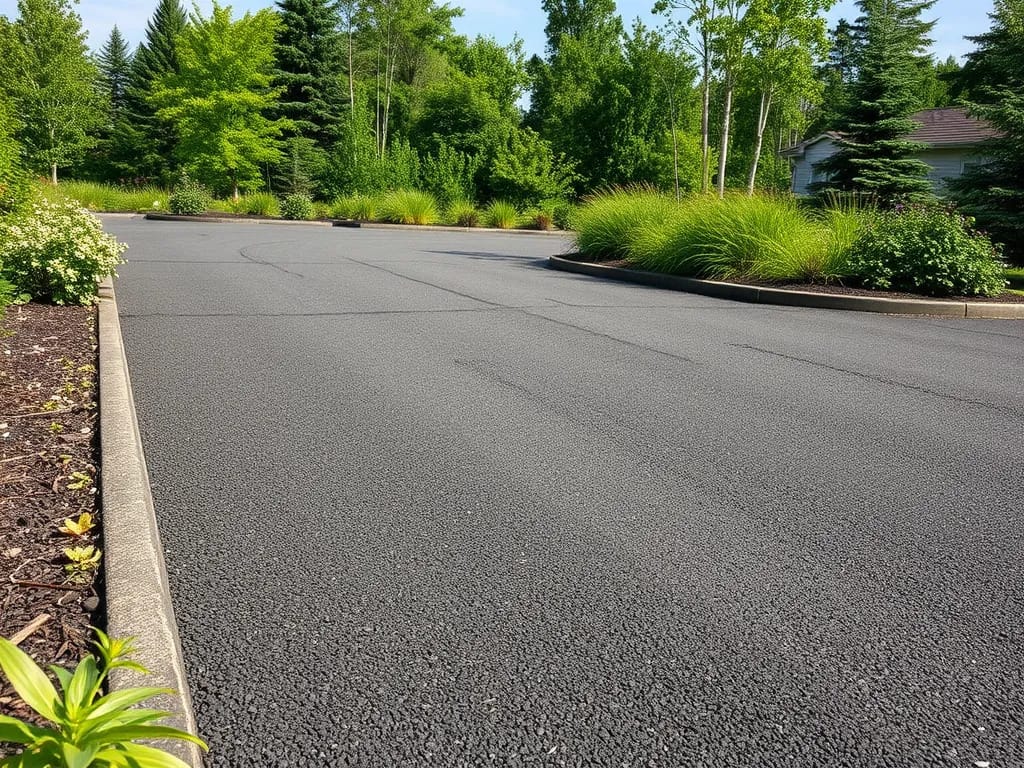
Connect your property with smooth, low-maintenance asphalt pathways in Tampa, FL. We pave sidewalks and multi-use trails for parks, schools, and commercial campuses. Our paths follow planned routes, manage drainage, and provide a comfortable surface for walking, biking, and jogging.
Precision Asphalt Tampa provides professional asphalt pathway paving throughout Tampa, FL, Florida and the surrounding area. Our licensed, insured crew delivers safe, clean, on-time work with a free estimate before anything begins. Call (813) 694-5697 or request your free quote.
Asphalt Pathways, Sidewalks, and Trails in Tampa, FL
Neighborhoods and property managers in Tampa turn to Precision Asphalt Tampa when they want smooth, durable asphalt pathways, sidewalks, and trails that hold up in Florida heat and storms. Our team focuses on the details that matter here locally, from proper drainage during summer downpours to surfaces that stay safe when Tampa’s afternoon showers roll through.
We design and build walking paths for HOAs, apartment communities, parks, schools, churches, and commercial campuses across Hillsborough County. Whether you need a new asphalt walking loop around a retention pond, a sidewalk connection to a bus stop, or a multi-use trail along a property line, we tailor each project to how people will actually use it.
Instead of pushing one standard section size or layout, we look at your traffic patterns, maintenance abilities, and budget. A quiet community garden path, for example, does not need the same section thickness or reinforcement as an access trail that occasionally carries maintenance carts or utility trucks. By matching the pavement design to real use, we help Tampa clients avoid premature cracking and rutting.
How Asphalt Pathway Paving Actually Works
Our asphalt pathway paving process is built around Tampa soil and weather conditions, not just generic specs.
1. Site walk and layout: We walk the route with you, flag obstacles, review drainage paths, and mark any roots or utilities. In Tampa, we pay close attention to low spots that can turn into standing water after summer storms.
2. Clearing and grading: We remove grass, brush, and topsoil, then grade the subgrade to create a consistent slope. For most pathways and sidewalks, we target a 1 to 2 percent cross slope that sheds water without feeling tilted underfoot.
3. Sub-base and base installation: Many older Tampa neighborhoods have sandy soils that shift. Where needed, we stabilize soft spots and then install a compacted aggregate base. For light-use sidewalks this might be 4 inches. For multi-use trails or golf cart traffic, we may recommend 6 inches or more.
4. Edging and forms: Along curves and garden areas we often use compacted shoulder edges or, if specified, concrete or paver borders to keep the asphalt supported over time. Proper edge support is a big factor in preventing crumbling and raveling.
5. Asphalt placement: We choose a fine-graded asphalt mix for walking comfort and wheelchair smoothness. The asphalt is placed with a paver or graded by hand on tight curves, then compacted in multiple passes with vibratory rollers and plate compactors at the edges.
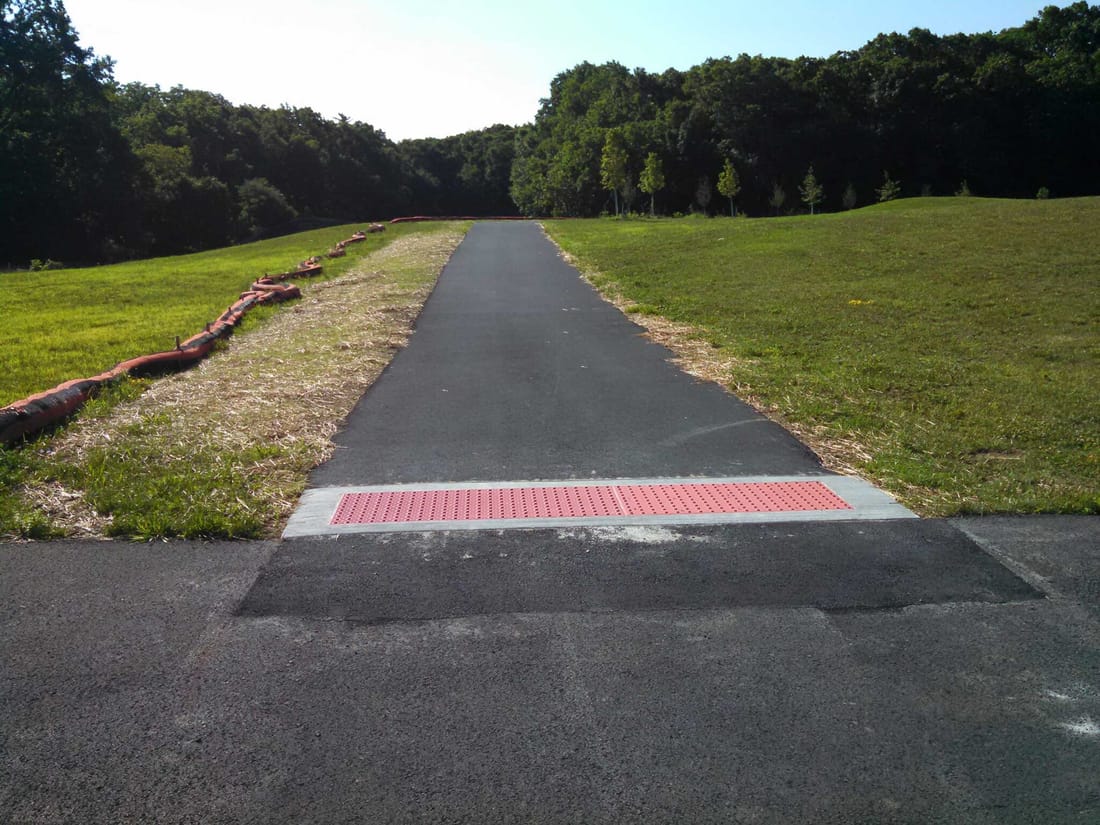
6. Finishing details: We feather tie-ins to existing sidewalks, driveways, and pads so there are no trip lips. Where ADA access is needed, we adjust slopes and install truncated dome panels at roadway crossings.
7. Final walkthrough: Before we call it complete, we walk the entire route with you, checking for smoothness, drainage, and any spots that may need additional compaction or repair.
Design Choices for Paths, Sidewalks, and Trails
Different properties in Tampa use their pathways in very different ways. Precision Asphalt Tampa helps you make practical design choices so your new pavement fits both your users and your maintenance budget.
Width: A simple residential footpath might be 4 to 5 feet wide. Multi-use trails with joggers, dog walkers, and strollers often work best at 8 to 10 feet so people can comfortably pass each other. Around retention ponds or community centers, we often recommend at least 6 feet to handle daily traffic.
Thickness: For pedestrian-only paths, asphalt thickness typically ranges from 1.5 to 2 inches over an appropriate base. If you plan to drive golf carts, utility vehicles, or light pickups on the trail, we may increase thickness to 2.5 or 3 inches and beef up the stone base.
Curves and visibility: In communities with lots of children or dog walkers, we suggest gentler curves and sightlines that allow people to see what is ahead. In shaded areas near trees, we sometimes widen curves slightly to account for leaf litter and moisture.
Surface texture: Fine mixes provide a smoother, quieter surface that is better for wheelchairs, walkers, and bikes. In some cases we use slightly coarser mixes in areas prone to standing water for extra traction during and after rain.
Color and striping: Standard asphalt is dark, which can be hot under the Tampa sun. We can add light-colored striping for lane definition, edge lines near ponds or drop-offs, and high-visibility markings at road crossings so drivers can see approaching pedestrians and cyclists.
What Affects Cost for Asphalt Pathway Paving in Tampa
Pathway and trail projects vary widely in cost, even at the same length, because several practical factors drive pricing.
Route complexity: Straight runs along a property line are faster and cheaper to build than winding paths through trees or tight courtyards. Complex layouts require more handwork and edging, which increases labor.
Access for equipment: If we can bring a paver and roller close to the path, costs stay lower. When access is tight, we may need smaller equipment, more handwork, or even staged material delivery by wheelbarrow or skid steer, which adds time.
Base conditions: Existing soil and base are the biggest unknown. In parts of Tampa with very loose sand or organic fill near wetlands and retention ponds, we may need to undercut soft spots, add geotextile fabric, and build a thicker base layer.
Thickness and load expectations: Paths that occasionally see vehicles, trash trucks, or maintenance carts need heavier sections. More stone and thicker asphalt will increase the price, but they prevent rutting and edge failures that cost more to fix later.
Drainage and structures: French drains, swales, culverts, and retaining edges add to the overall budget. In many communities we regrade the adjacent lawns slightly to ensure water runs off the pavement instead of sitting along the edges and eating away the base.
To keep surprises down, Precision Asphalt Tampa provides itemized proposals. If we see conditions that might change the price, such as suspect fill or standing water, we discuss options upfront instead of surprising you partway through construction.
Common Tampa Issues and How We Handle Them
Heat and UV: Tampa’s sun can be tough on asphalt. We use mixes suited for high temperatures and emphasize proper compaction so the surface is dense and less prone to ruts or scuffing. We also recommend a realistic sealcoating schedule once the pavement has properly cured.
Tree roots: Many local pathways run under oaks and palms with aggressive roots. Where possible, we adjust alignment slightly to avoid major root zones. If a route must pass near trees, we may thicken the base, use root barriers, or anticipate future lifting and plan for sectional repairs instead of full replacement.
Standing water: Pathways around ponds or in low-lying yards often suffer from puddles that lead to algae, slick spots, and base failure. We correct these problems with regrading, additional base, and careful attention to cross slope so rainwater moves off the path quickly.
Tie-ins to existing concrete: Many Tampa properties have a patchwork of older concrete walks. We transition asphalt carefully to avoid trip hazards, milling or saw-cutting where needed and sometimes adding short approach slabs to create a smooth, ADA-friendly connection.
Wear at high-traffic points: Dog park entrances, playground gates, and mail kiosk areas see concentrated foot traffic, strollers, and bikes. In these zones, we may reinforce the base and asphalt or recommend small concrete pads so the surface does not ravel away over time.
Maintenance Tips to Extend Pathway Life
Well-built asphalt pathways can last many years in Tampa if they receive basic care. We give every client a simple maintenance outline tailored to their property.
Cleaning: Blow or sweep off leaves, sand, and debris regularly. Grit acts like sandpaper and speeds up surface wear, especially on curves where people turn frequently.
Crack sealing: Even in well-constructed paths, small cracks can appear as the ground moves or roots grow. If you seal them early, you keep water out of the base and prevent larger failures. We offer routine crack sealing programs for HOAs and property managers.
Edge care: Keep grass and roots from growing over the edges of the path. When turf edges creep in, they hold moisture on the pavement, which softens the edges over time. Simple edging and trimming along the path line can significantly extend its life.
Drainage watch: After big summer storms, walk the path and note any areas with standing water or erosion. Catching these spots early lets us correct slopes or add drains before the base is compromised.
Resurfacing: Over the years, the surface can wear but the base may still be solid. In those cases, a thin overlay can restore smoothness and appearance without paying for a full rebuild. We inspect and advise whether resurfacing or replacement makes more sense based on your specific conditions.
Why Tampa Properties Choose Precision Asphalt Tampa
Local property managers and boards choose Precision Asphalt Tampa because we focus on long-term performance, not just getting asphalt on the ground and moving on.
Local experience: We work all over Tampa, from Seminole Heights and Carrollwood to New Tampa and South Tampa waterfront communities. We understand how different soils, traffic patterns, and drainage requirements affect your pathway or trail.
Clear communication: For HOA boards, schools, and churches, we provide phasing plans so people can still access amenities while we work. We coordinate around peak use times, such as school pickup or weekend services, to minimize disruption.
Safety and compliance: When needed, we coordinate with your engineer or planner to meet ADA and local code requirements. We install tactile warning surfaces, logical crosswalk locations, and proper slopes so your new paths are comfortable and compliant.
Long-term partnership: We do not disappear after the final roller pass. Many of our pathway clients call us back years later for small extensions, crack sealing, or resurfacing because they know we already understand their site. If you are planning a new asphalt pathway, sidewalk, or trail in Tampa, Precision Asphalt Tampa is ready to walk the route with you, answer your questions clearly, and build a surface that serves your community for years.