Home › Asphalt Milling and Reclamation
Prepare your site for new pavement with asphalt milling in Tampa, FL. We remove and recycle existing asphalt, correct elevations, and provide a stable base for overlays. Our reclamation services help reduce haul-off costs and support environmentally responsible paving projects.
Precision Asphalt Tampa provides professional asphalt milling throughout Tampa, FL, Florida and the surrounding area. Our licensed, insured crew delivers safe, clean, on-time work with a free estimate before anything begins. Call (813) 694-5697 or request your free quote.
Asphalt Milling and Reclamation in Tampa, FL
Asphalt milling is a way to remove and recycle worn asphalt without tearing out the entire pavement section. For Tampa property owners, this usually means fixing ruts, ponding water, and surface cracking while keeping a solid base in place. Precision Asphalt Tampa focuses on milling and reclamation because it gives better results than constant patching and is usually more affordable than full reconstruction.
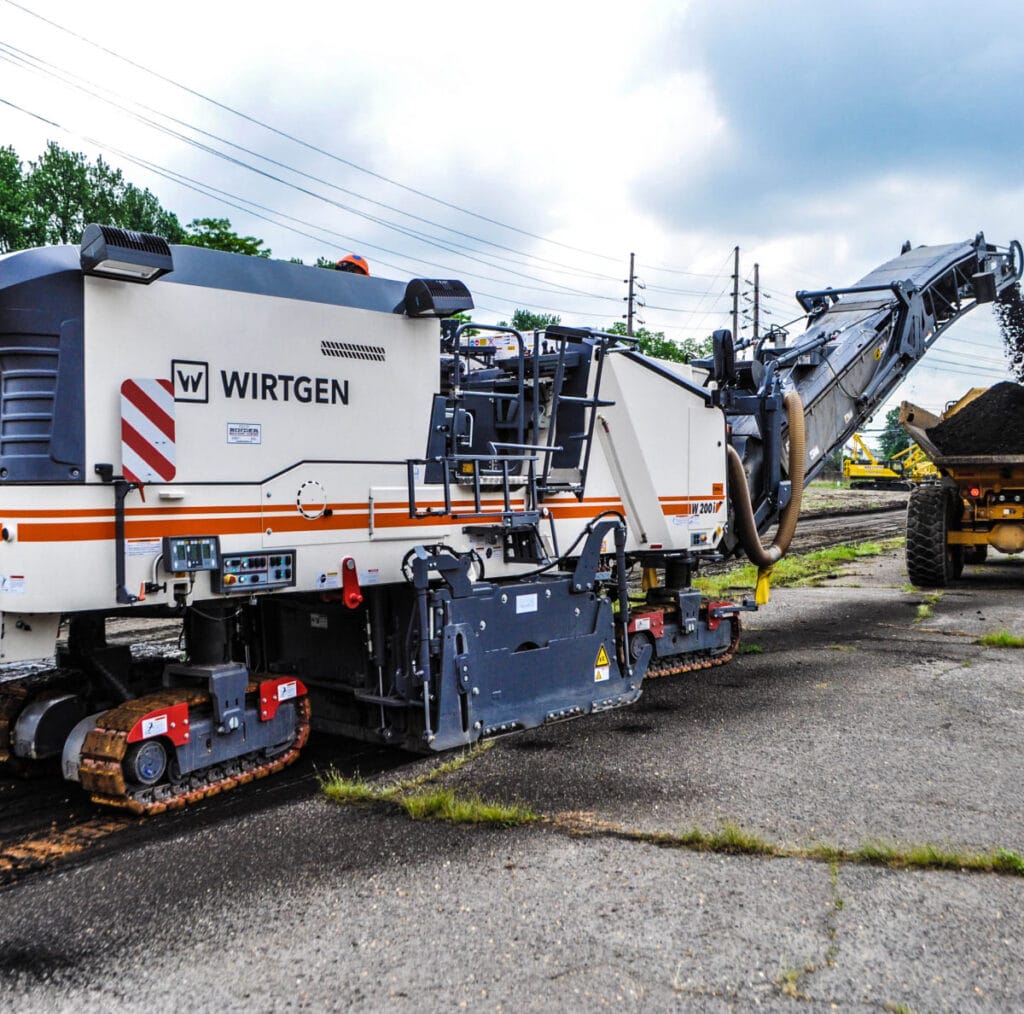
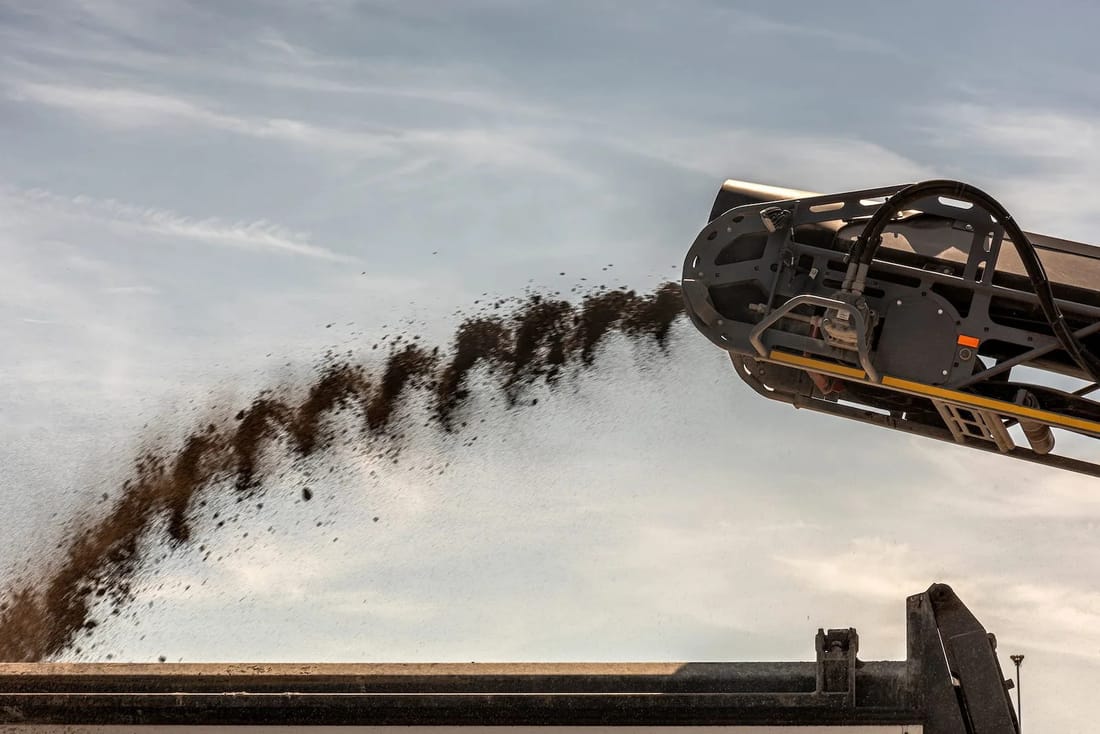
In a typical Tampa project, we bring in a cold milling machine that grinds the existing asphalt to a set depth. The machine chews the pavement into small, reusable pieces and a conveyor loads that material straight into waiting trucks. We control the depth with sensors and manual checks so we do not cut into the base unless the project calls for full-depth reclamation.
Asphalt reclamation goes a step further. Instead of just removing the surface, we blend the milled asphalt with the existing base, regrade it, and compact it as a new stabilized foundation. This is common on older parking lots, private roads, and HOA communities where the surface has failed in many spots but the overall footprint and layout still work.
In Tampa, the best candidates for asphalt milling are parking lots, long drive aisles, residential streets in private communities, and commercial driveways that show widespread cracking, rutting from heavy traffic, or standing water after storms. Precision Asphalt Tampa looks at traffic loads, drainage patterns, and age of pavement before recommending milling or reclamation instead of a full tear out.
How Asphalt Milling Actually Works On Your Property
Before a milling crew shows up, we walk the pavement and mark utilities, weak base areas, and grade transitions. In Tampa this can include locating shallow utilities that may not be shown correctly on older site plans. We also look at where rainwater is supposed to flow so we can mill with the right slope to keep puddles from forming.
On milling day, we typically phase the work to keep at least some access open. For shopping centers and offices, Precision Asphalt Tampa often mills one section at a time so tenants can stay open. The milling machine grinds a set depth, for example 1.5 inches, taking off the failed top layer while leaving sound material below. For deeper rutting, we may mill 2 inches or more. The operator adjusts the drum height as we move from flatter areas into slopes near drains and entrances.
The milled asphalt particles go straight into trucks. We usually haul them to an asphalt plant that blends the reclaimed asphalt pavement (RAP) into new hot mix. In some reclamation projects on larger private roads or industrial yards, we may reuse the milled material on site as part of the new base, depending on its quality and the design.
After milling, we sweep and clean the surface thoroughly. Keeping a clean, textured surface is critical so the new asphalt bonds well. At transitions like entrances, sidewalks, and existing concrete gutters, we feather the milling depth so there are no abrupt lips that could catch tires or create tripping hazards.
For full-depth reclamation, we use a reclaimer/stabilizer to mix the existing asphalt and base down to a greater depth, often 6 to 10 inches. Then we shape that blended layer with a grader and compact it with rollers until it meets density requirements. Only then do we place new asphalt over the reclaimed base.
Cost Drivers, Options, and Local Tampa Considerations
Pricing for asphalt milling in Tampa is influenced by several practical details. The biggest factors are depth of milling, total square footage, and how accessible the site is for heavy trucks and equipment. A wide open commercial lot with easy truck routes will cost less per square foot than a tight apartment complex with lots of islands and turns, even if the total area is the same.
The condition of the base is another cost driver. If the existing base is generally stable, we can mill and overlay. If we find widespread base failure, soft spots, or pumping water during our initial walk through, we may recommend reclamation or targeted base repairs. Reclamation usually costs more than a simple mill and overlay, but less than ripping everything out and starting from subgrade.
Mix design can also affect price. Many Tampa jobs use a standard FDOT style surface mix, but heavy truck areas like loading docks, dumpster pads, and industrial sites may need a thicker lift or a mix with more stone and less sand for better rut resistance. Precision Asphalt Tampa can mill deeper in wheel paths and install a thicker asphalt section only where it is needed, which keeps costs down while solving the rutting problem.
From a local rules standpoint, most private milling and reclamation projects in Tampa do not need a full city building permit, but there are still requirements. If work impacts public right of way, curb cuts, or city drainage structures, we coordinate with the City of Tampa or Hillsborough County for any needed approvals and right of way use permits. HOAs and property managers often require a simple site plan, schedule, and traffic control plan so residents know when areas will be closed and reopened.
Another cost and schedule factor is weather. Tampa rains hard and often. We plan milling so the exposed surface will not sit open through multiple storm cycles. In the rainy season, Precision Asphalt Tampa often mills and paves in tighter windows and may bring additional rollers and trucks so that freshly milled areas are not left unprotected for long.
Common Problems We Solve With Milling and Reclamation
Many Tampa pavements fail the same way. Traffic grooves the driving lanes, water collects in birdbaths, and cracked areas spread quickly once water starts penetrating. Asphalt milling lets us reset high and low spots and rebuild structure where it is actually needed instead of throwing money at repeated skin patches.
A frequent issue in older Tampa parking lots is that the asphalt has built up after several overlays. At sidewalks, doors, and dock thresholds, the pavement ends up too high. This can push water toward buildings and cause trip hazards. Precision Asphalt Tampa uses profiling, a form of milling that removes more material near the building line, to restore correct thresholds and drainage without lowering the entire lot.
Another common problem is poor drainage around inlets and valley gutters. The fix is rarely just adding more asphalt. Instead, we will mill around each drain, reshape the slope to provide a consistent fall, then repave. If the inlet itself is too high or too low, we coordinate adjustment before paving so we are not fighting against a bad structure elevation.
In industrial and trucking areas around the Tampa port and warehouse corridors, we often see severe rutting in heavy wheel paths while the rest of the pavement looks acceptable. There, full-depth reclamation in the wheel paths, or deep milling and thicker replacement lifts, allows us to strengthen the pavement where trucks actually run without paying for unnecessary reconstruction in parking stalls.
Soft base spots are another recurring issue, especially in areas with a history of ponding. During milling we watch for yielding or pumping material. When we find it, we cut out these spots, dry them if possible, and rebuild the base with suitable aggregate before paving. Addressing these localized failures during a milling project prevents the new overlay from reflecting the same problems within a year or two.
What Tampa Property Owners Should Know Before Hiring
Before you hire any contractor for asphalt milling or reclamation, you should understand exactly what thickness of old asphalt is being removed and what thickness and type of new asphalt is going back. Precision Asphalt Tampa always specifies these in writing so you can compare proposals correctly. A cheaper quote might simply be milling 1 inch and placing 1 inch back, which often is not enough for older commercial lots with heavy use.
Ask how the contractor will protect access and handle traffic control. In active Tampa sites, we typically schedule work in phases, use clear signage and barricades, and provide temporary access paths for deliveries, emergency vehicles, and customers. For HOAs and apartment communities, we recommend written notices and maps for residents a week in advance and again the day before milling.
It is also important to ask what will happen if hidden conditions appear. A responsible contractor will have a unit price or clear process for dealing with unexpected base failures or drainage issues discovered during milling. At Precision Asphalt Tampa, we stop, show you what we found, discuss options, and agree on a plan before adding scope.
For long term performance, ask about tack coat and compaction. Tack coat is the bonding layer between the milled surface and the new asphalt. Skipping or skimping on tack can cause the new overlay to delaminate. We apply uniform tack and use properly sized rollers to reach density targets so the new pavement holds up under Tampa heat and traffic.
Finally, check that the contractor is familiar with local requirements and expectations, including any City of Tampa work hours limits, noise considerations for night milling, and HOA rules about dust and access. Asphalt milling creates noise and material movement, but with proper scheduling, sweeping, and communication, the work can be completed with minimal disruption and a surface that will serve your property well for many years.